sales@eviewiot.com

For Restaurants
Restaurant Energy Management System That Can Reduce Electricity Costs 10–30%
Long hours, heavy demand, refrigeration loads, HVAC systems, and rising utility rates make restaurant energy management increasingly important. eViewIoT helps restaurant owners, operators, and facility managers monitor and control the systems that drive restaurant energy consumption so they can reduce unnecessary energy usage, improve energy efficiency, and lower operating costs.
What eViewIoT Can Do
One Platform for Restaurant Energy and Equipment Visibility
Automate and optimize HVAC, refrigeration, and lighting to reduce energy use and cut electricity bills.
Lower energy consumption by improving schedules, setpoints, runtime visibility, and equipment control.
Use remote access and real-time alerts when monitored equipment moves out of range, so your team can respond before small issues become expensive failures.
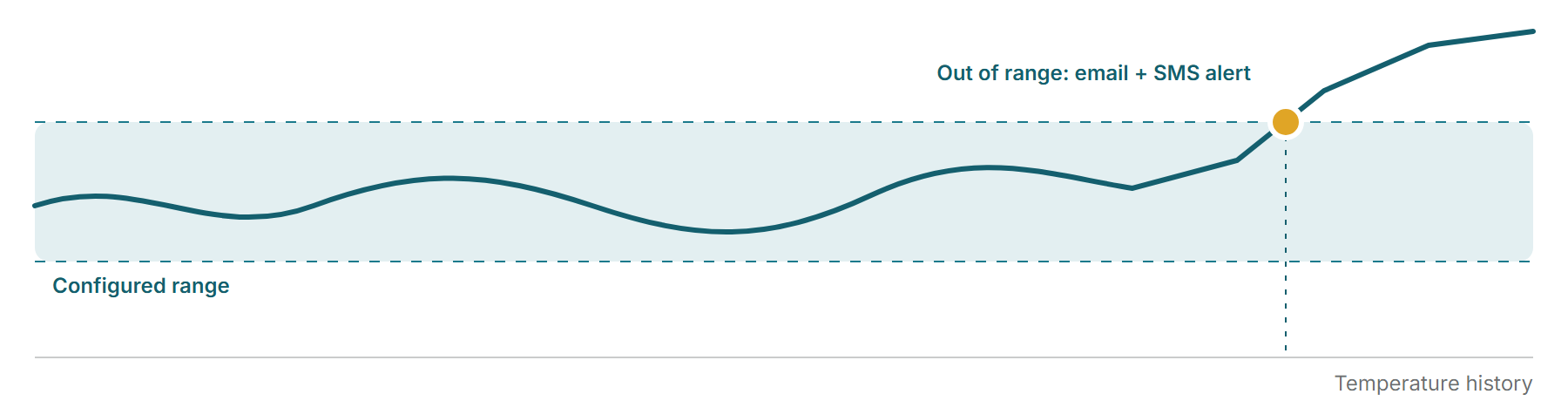
Track and record temperatures for walk-ins, reach-ins, freezers, and other refrigeration equipment with email and SMS alerts.
What Is a Restaurant Energy Management System?
Instead of managing each system separately, restaurant operators can review equipment performance, runtime, temperatures, schedules, alerts, and historical energy data from one connected interface. This makes it easier to understand how equipment is operating and, where energy metering is installed, how much energy key systems are using, where energy waste may be occurring, and which locations or pieces of equipment need attention.
For a single restaurant, the management system provides one place to manage daily operations. For multi-location operators and quick service restaurants, the same restaurant energy management platform can provide centralized visibility across an entire portfolio.
How eViewIoT Works in Restaurant Operations
Connect the systems that matter
Apply schedules and operating rules
Monitor real-time data and historical trends
Act remotely
What Uses the Most Electricity in a Restaurant?
Cooking and food preparation equipment
Ventilation
Hot-water equipment
The goal of restaurant energy management is not simply to use less energy everywhere. It is to reduce energy usage where it is unnecessary while maintaining food safety, customer comfort, and consistent restaurant operations.
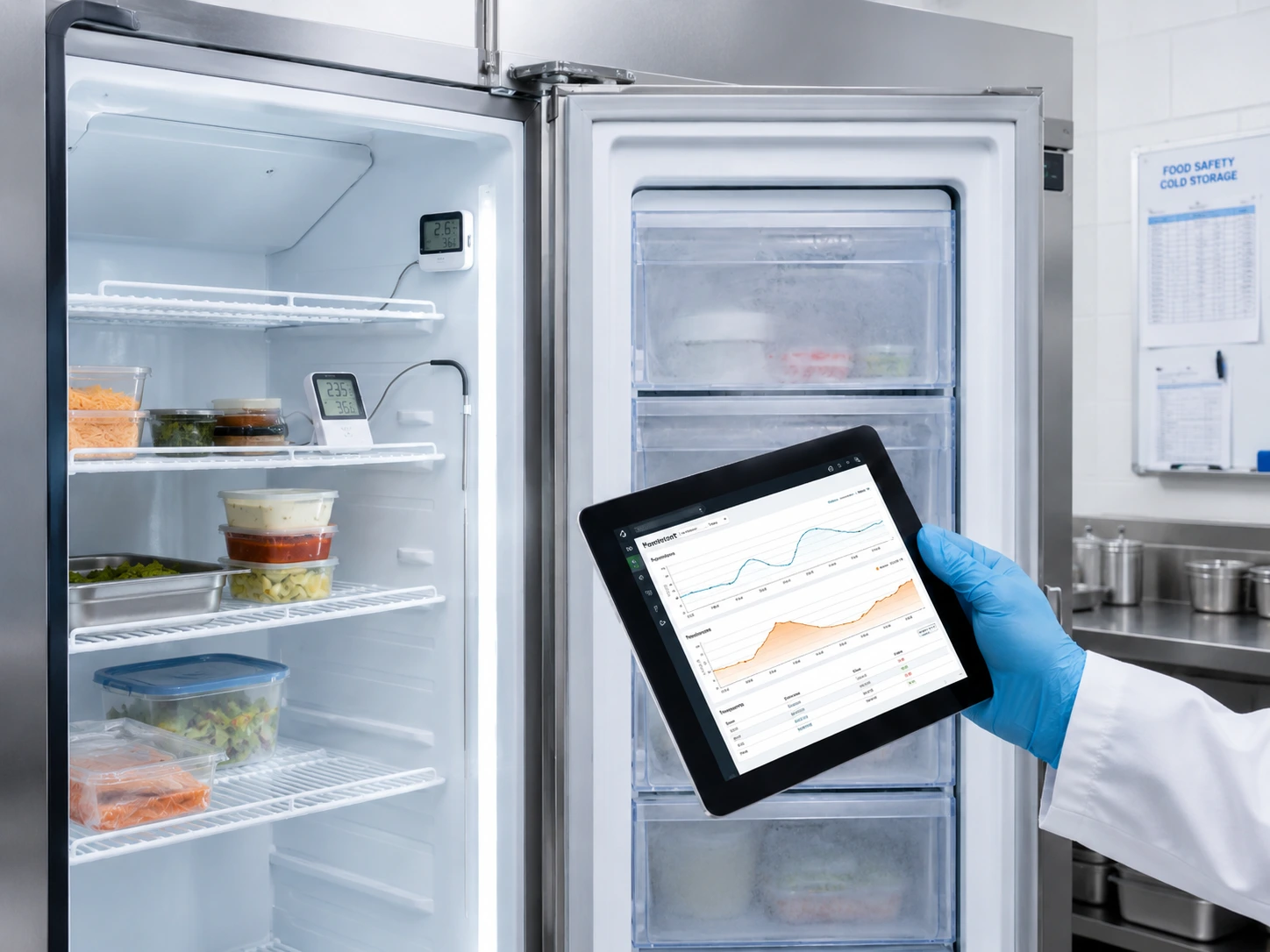
Temperature Monitoring for Walk-Ins, Freezers and Reach-Ins
Food storage temperatures are mission-critical. eViewIoT provides automated refrigeration temperature monitoring for walk-in coolers, freezers, reach-ins, and other refrigeration equipment.
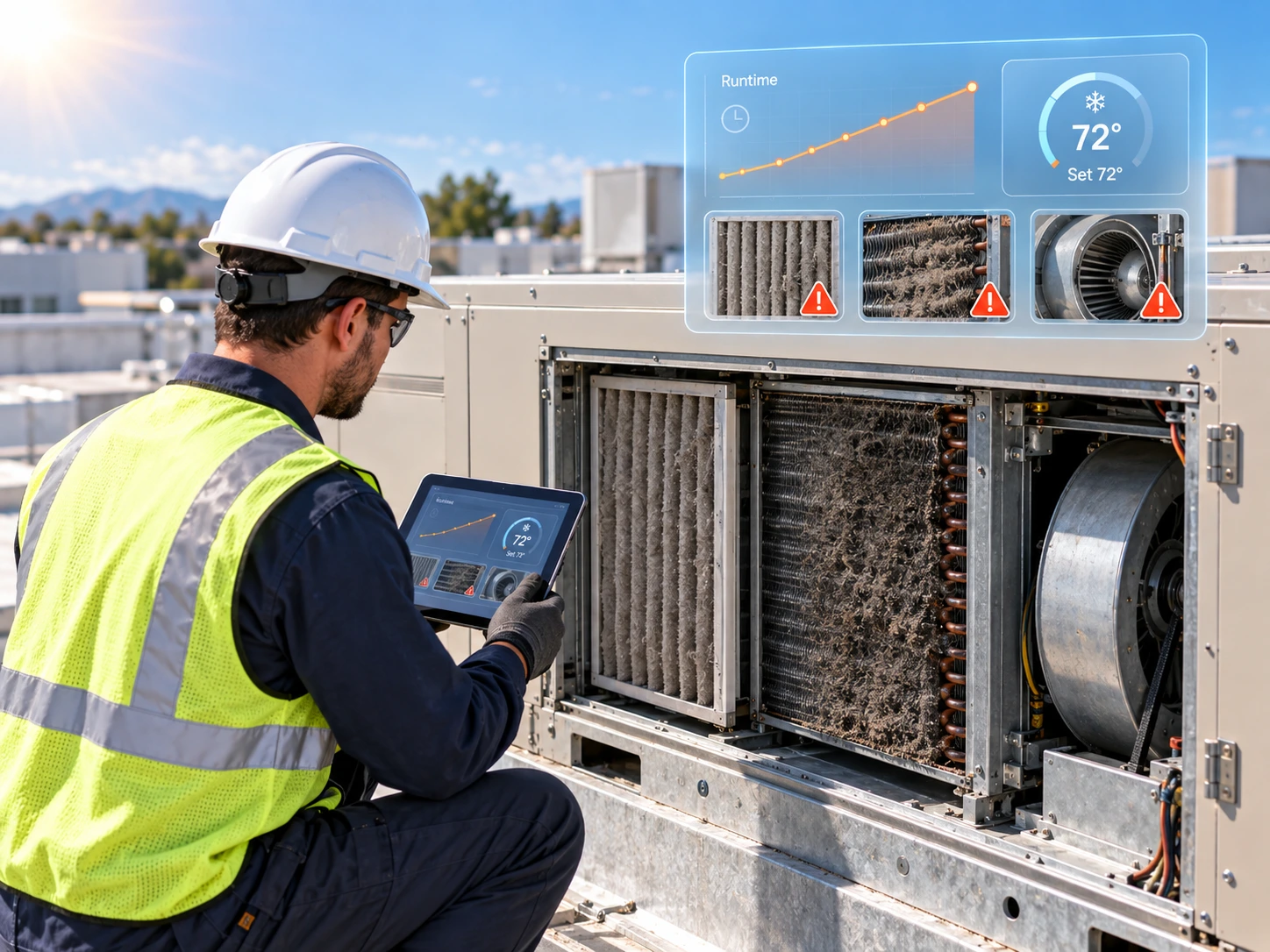
Remote Equipment Diagnostics That Help Reduce Maintenance Costs
Energy management is not only about reducing energy consumption. It is also about knowing when remote equipment diagnostics show that equipment is not performing as expected.
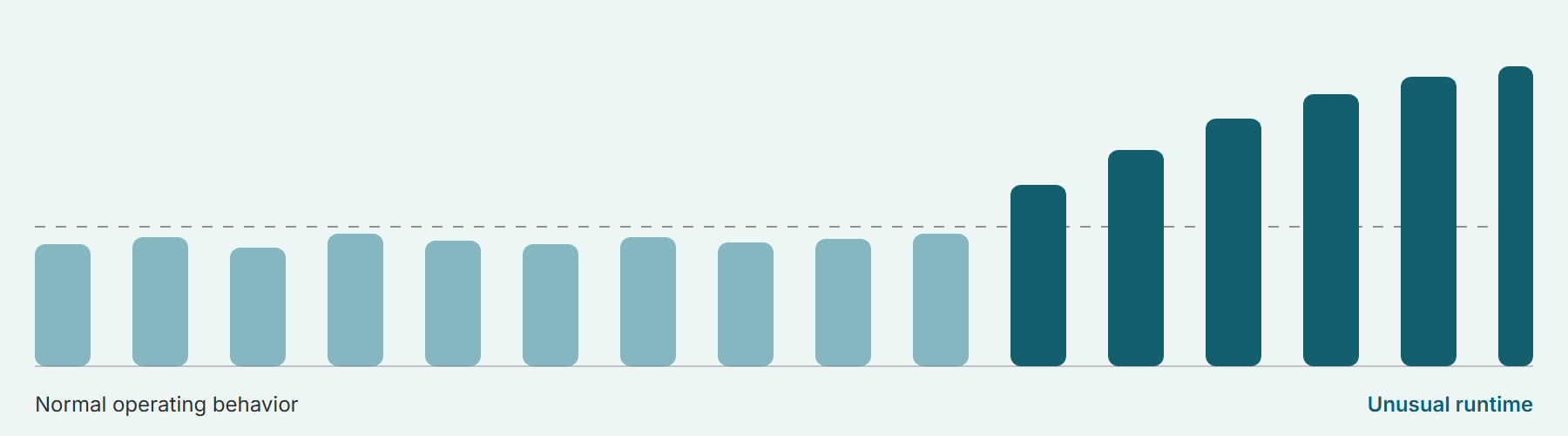
eViewIoT helps restaurant operators review equipment behavior, runtime patterns, temperature trends, and alerts so teams can identify inefficient operation and equipment maintenance needs earlier. Historical performance data can help distinguish normal operating behavior from patterns that may be wasting energy or increasing operating expenses.
Routine maintenance still matters. Cleaning condenser coils, checking refrigeration door seals, reviewing HVAC filters, and correcting schedule drift can all help equipment operate with less energy. Monitoring gives maintenance teams better information about where to focus that effort.
How Restaurant Energy Management Reduces Energy Costs
Restaurant Energy Savings: Results from eViewIoT Deployments
eViewIoT has been used in real restaurant and QSR environments. Published case studies show that energy savings can come from tighter equipment schedules, better HVAC control, improved refrigeration performance, and greater visibility into energy consumption.
National Burger
Tennessee BBQ
National Chicken QSR
Multi-location Hamburger QSR test
walk-in consumption reduced up to
For restaurant owners evaluating an energy management system project, the energy savings calculator can help frame the potential opportunity based on operating conditions.
Long-Term Benefits
Reduce maintenance costs
Increase profitability
Enhance customer comfort
Built to scale
Lighting Control for Dining Areas, Kitchens, Signage and Exterior Spaces
Restaurant lighting has to support customer experience, staff operations, signage, safety, and exterior visibility. eViewIoT helps operators align lighting schedules with operating hours, employee schedules, exterior conditions, and location needs so lighting is consistent without wasting energy.
Lighting automation can also reduce energy waste when exterior, signage, or back-of-house lighting would otherwise remain on longer than necessary. For restaurants with multiple locations, standardized lighting controls make it easier to maintain consistent schedules across the portfolio.
Commercial HVAC Monitoring for Restaurant Comfort and Efficiency
Restaurant HVAC systems have to manage dining-room comfort, kitchen heat, changing occupancy, and long operating hours. eViewIoT provides commercial HVAC monitoring and control with visibility into room temperature, target temperature, equipment runtime, schedules, and abnormal HVAC behavior. This helps operators reduce unnecessary runtime while maintaining comfortable conditions for guests and staff.
Built for Single Restaurants and Multi-Location Operators
Operators can compare locations, respond to alerts remotely, and make better decisions without being physically present at every site. Multi-location visibility also helps teams identify whether higher energy usage is isolated to one restaurant or appearing across the entire portfolio.
Compare locations
Frequently asked questions
How does a restaurant energy management system reduce electricity costs?
A restaurant energy management system reduces electricity costs by monitoring and controlling HVAC, refrigeration, lighting, and other connected systems. eViewIoT helps operators reduce unnecessary runtime, identify energy waste, improve schedules, and use real-time and historical data to make more informed decisions.
What uses the most electricity in a restaurant?
Restaurant energy use typically comes from a combination of cooking and food preparation equipment, HVAC, refrigeration, lighting, ventilation, and hot-water equipment. The exact mix varies by restaurant type, climate, operating hours, and equipment.
Is a restaurant energy management system different from a smart thermostat?
Yes. A smart thermostat primarily manages HVAC temperature and scheduling. A restaurant energy management system can bring HVAC control together with refrigeration monitoring, lighting controls, equipment alerts, temperature data, historical trends, and multi-location visibility. Smart thermostats can be one component of the broader management system.
Can eViewIoT monitor walk-in cooler and freezer temperatures?
Yes. eViewIoT can monitor walk-in cooler and freezer temperatures in real time, helping restaurants protect food quality, reduce product loss, support food safety, and respond faster to temperature issues.
Can restaurant managers receive alerts remotely?
Yes. Restaurant managers can receive remote alerts when monitored equipment or temperature conditions move outside configured ranges. This helps teams respond quickly even when they are not on-site.
Does eViewIoT help with HVAC and refrigeration maintenance?
Yes. eViewIoT helps with HVAC and refrigeration maintenance by tracking equipment behavior, runtime, temperature trends, and alerts. This gives operators better visibility so they can catch performance problems earlier and reduce unexpected downtime.
How can restaurant chains reduce energy, repair, and maintenance costs?
Restaurant chains can reduce controllable costs by standardizing HVAC and lighting schedules, monitoring refrigeration temperatures and runtime, identifying abnormal equipment behavior earlier, and comparing performance across locations. A restaurant energy management system centralizes that information so facility teams can prioritize the locations and equipment that need attention instead of relying only on utility bills or individual site visits.
Is eViewIoT useful for multi-location restaurant operators?
Yes. eViewIoT is useful for multi-location restaurant operators because it brings equipment monitoring, alerts, energy management, and energy visibility into one connected platform. Teams can compare locations, respond faster, and manage operations more consistently.