sales@eviewiot.com
(480) 782-5600

For Retail
Retail Energy Management System for HVAC, Lighting & Store Operations
Retail stores operate on long hours, customer comfort, consistent lighting, and equipment that needs to perform every day. eViewIoT gives retail operators a cloud-based energy management system built to monitor HVAC, lighting, refrigeration, alerts, schedules, runtime, and equipment performance from one browser or mobile dashboard.
What eViewIoT Can Do
One platform, total visibility
Automate, monitor, and control existing HVAC, refrigeration, and lighting equipment.
Typical 10–30% decrease in overall energy consumption after installation.
Web and mobile access puts equipment and energy efficiency a tap away.
Predictive maintenance records and monitors crucial equipment data and runtime.
Reduce Energy Waste Across Long Store Hours
Retail stores often waste energy because equipment runs longer than needed. HVAC schedules drift, lighting stays on outside operating hours, exterior lights run during daylight, and equipment problems stay hidden until the bill rises or a comfort issue appears.
eViewIoT helps retail operators reduce avoidable waste by giving teams visibility into schedules, runtime, alerts, and equipment behavior from one cloud-based platform.
HVAC Monitoring for Customer Comfort and Lower Runtime
Retail HVAC systems need to keep sales floors comfortable without running longer than necessary. eViewIoT helps operators monitor room temperature, target temperature, schedules, runtime, and abnormal performance patterns so teams can reduce unnecessary HVAC runtime while maintaining a better customer and employee environment.
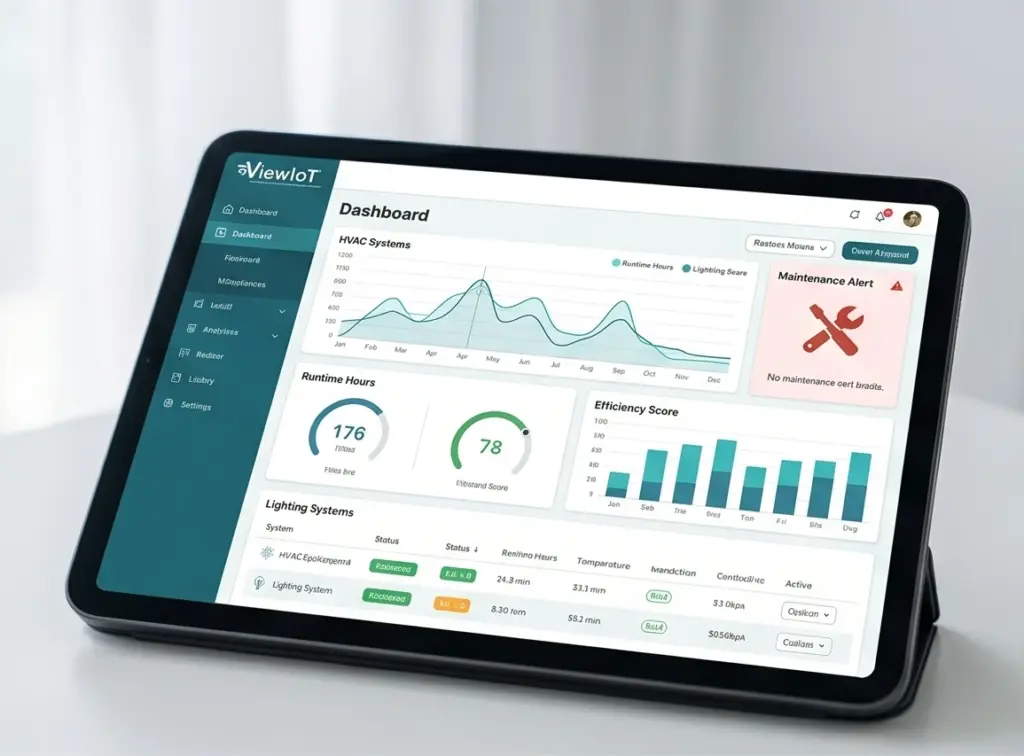
In Focus
Equipment runtime and maintenance visibility
It’s easy to overlook a thermostat that’s off-target or equipment running 10–12 hours a day when it doesn’t have to. Our platform records and monitors that data, with remote diagnostics, clear runtime insights, and alarms that keep you informed about urgent issues.
In Focus
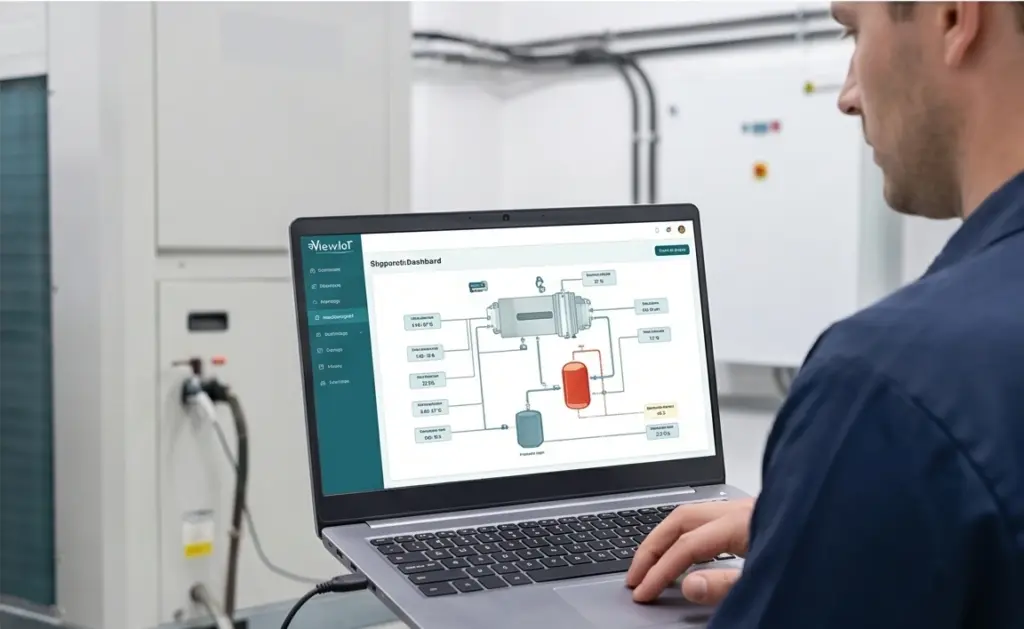
Remote Equipment Diagnostics for Smarter Maintenance Decisions
It is easy to miss equipment that is running too long, failing to reach target conditions, or creating unnecessary energy waste. eViewIoT records equipment behavior, runtime, temperature trends, and alert history so facility teams can identify maintenance needs earlier and make better repair decisions.
Long-Term Benefits
Why it pays off
Reduced Energy Consumption
Retail stores can reduce avoidable energy waste by aligning HVAC and lighting schedules with actual operating hours. eViewIoT helps control runtime, limit unnecessary overrides, and keep key systems operating more efficiently.
Lower Operating Costs
eViewIoT gives your team ongoing equipment visibility and performance data, helping identify efficiency opportunities and maintenance concerns earlier.
Increased Profitability
Energy, maintenance, and operating costs all affect retail margins. eViewIoT helps reduce controllable facility waste so teams can focus more attention on customers, store performance, and growth.
Built for Any Retail Footprint
Whether you operate one store or multiple retail locations, eViewIoT gives your team remote access to equipment data, schedules, alerts, and performance trends from one dashboard.
Lighting Control for Sales Floors, Signage and Exterior Areas
Lighting is central to retail operations. Sales floor lighting, exterior lighting, signage, parking areas, and employee spaces all need to be active at the right time. eViewIoT helps align lighting schedules with operating hours, employee schedules, and exterior conditions so stores stay properly lit without wasting energy.
Built for Single Stores and Multi-Location Retail Operators
For retail operators with more than one location, energy management becomes harder when every store is handled separately. eViewIoT gives teams a centralized view of equipment performance, alerts, schedules, and energy-related behavior so they can compare locations, identify outliers, and prioritize the stores that need attention first.
Frequently asked questions
How does a retail energy management system reduce energy costs?
It helps reduce unnecessary HVAC and lighting runtime, keeps schedules aligned with operating hours, limits uncontrolled overrides, and gives teams visibility into equipment that may be wasting energy.
Can eViewIoT control retail HVAC schedules?
Yes. eViewIoT supports HVAC scheduling, temperature visibility, remote access, and runtime monitoring so operators can manage comfort and efficiency more effectively.
Can retail lighting schedules be automated?
Yes. Restaurant managers can receive remote alerts when monitored equipment or temperature conditions move outside normal ranges. This helps teams respond quickly, even when they are not on-site.
Does eViewIoT help identify equipment issues?
Yes. Lighting schedules can be aligned with operating hours, employee schedules, exterior conditions, signage needs, and store requirements.
Is eViewIoT useful for multi-location retail stores?
Yes. Multi-location operators can monitor alerts, compare location performance, review equipment behavior, and manage schedules from one platform.