sales@eviewiot.com

For Convenience Stores

Convenience Store Energy Management System for Refrigeration, HVAC & Lighting

Convenience stores never really close. Refrigeration, HVAC, interior and canopy lighting, signage and foodservice equipment run for long hours, so small inefficiencies turn into high energy costs across one store or an entire chain. eViewIoT is a cloud-based convenience store energy management system that monitors and controls these systems from one dashboard. It cuts unnecessary runtime, sends real-time alerts when equipment or temperatures drift, and gives operators and facility managers visibility into equipment performance at every location.

What eViewIoT Can Do

One Platform for 24/7 Store Visibility

Adaptive refrigeration control reduces unnecessary defrost cycles by up to 70%.

Combine refrigeration, HVAC and astronomical lighting schedules for 10–30% energy savings.

Equipment runs only when needed, with user-defined alerts for HVAC, refrigeration and lighting.

Temperature monitoring for walk-in coolers, freezers and reach-in units, with real-time alerts.

What Is a Convenience Store Energy Management System?

A convenience store energy management system (EMS) is a combination of controllers, sensors and cloud software that monitors and automatically controls the equipment that drives store energy use: refrigeration systems, HVAC systems and lighting. Instead of relying on manual thermostats, fixed defrost timers and lights left on, the control system follows the schedules and setpoints you define, records runtime and temperature data (and energy usage where metering is installed), and alerts your team when something runs outside normal ranges.
For the convenience store industry, the goal is simple: reduce energy consumption and operating costs without affecting customer comfort, product quality or food safety programs. Better energy efficiency also protects margins when energy prices rise.

Where Convenience Store Energy Consumption Comes From
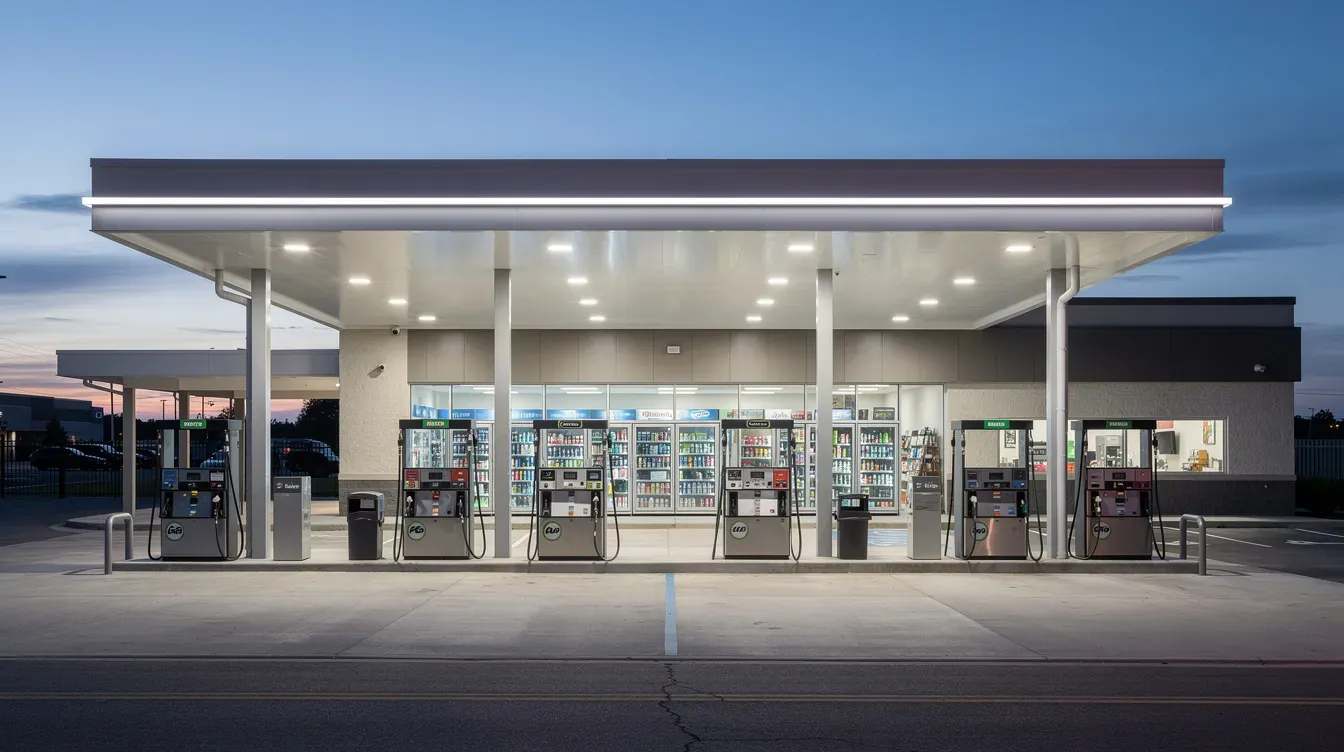
Convenience store energy consumption is driven by a few systems that rarely stop. According to ENERGY STAR, refrigeration alone may use up to 40% of a convenience store’s total energy. The rest of the energy bill comes from:

Refrigeration equipment

Walk-in coolers, freezers, reach-ins, beverage cases and open cases that run 24/7 and defrost on fixed timers.

HVAC systems and air conditioning

Constant door traffic, long operating hours and foodservice heat loads keep the cooling system working, and heating equipment adds to the total energy cost in colder months.

Lighting

Interior sales floor lighting, exterior and parking lot lights, signage and canopy lighting.

Foodservice and other equipment

Hot food, coffee and prep areas add heat and power consumption.
Because these loads overlap all day, energy waste is easy to miss when schedules, temperatures and equipment behavior go unmonitored. A walk-in that defrosts too often, a thermostat someone changed, or canopy lights burning in daylight show up only as more energy used and a higher bill at the end of the month. eViewIoT helps identify that waste and reduce unnecessary runtime in the systems that drive the largest share of utility costs.

One Control System for Refrigeration, HVAC and Lighting

SystemWhat eViewIoT doesWhy it matters
Walk-in coolers and freezersAdaptive controllers, demand-based defrost, temperature monitoring and alertsLess refrigeration runtime, protected inventory
Reach-ins and foodservice unitsReal-time and historical temperature data, out-of-range alertsProduct quality and food safety programs
HVACSchedules, managed setpoints, runtime tracking, abnormal performance alertsCustomer comfort with lower runtime
Lighting, signage and canopyAutomated and astronomical lighting schedulesLights on only when needed
Equipment healthRuntime and temperature trends for early diagnosticsFewer emergency repairs
Multiple storesOne dashboard to compare locations, with location-based alarmsFind the stores that need attention first
In Focus

Refrigeration Monitoring and Control for Walk-Ins, Freezers and Reach-Ins

Refrigeration is one of the highest-risk and highest-cost systems in a convenience store, so it is where an energy management system pays off first. eViewIoT’s adaptive refrigeration control replaces fixed-timer defrost with demand-based defrost, so units defrost only when needed instead of on a clock, cutting unnecessary defrost cycles by up to 70%.

The same system gives you temperature control and visibility: real-time and historical temperature data for walk-in coolers, freezers, reach-ins and foodservice units, with alerts by text, email, mobile app or dashboard when a unit moves out of range. That means faster response, protected perishable inventory and earlier detection of equipment failures.

In a walk-in freezer case study at a quick-service restaurant location, an adaptive evaporator controller reduced defrost cycles by 70%, stopped icing problems and made temperatures more stable. Read the walk-in refrigeration case study.
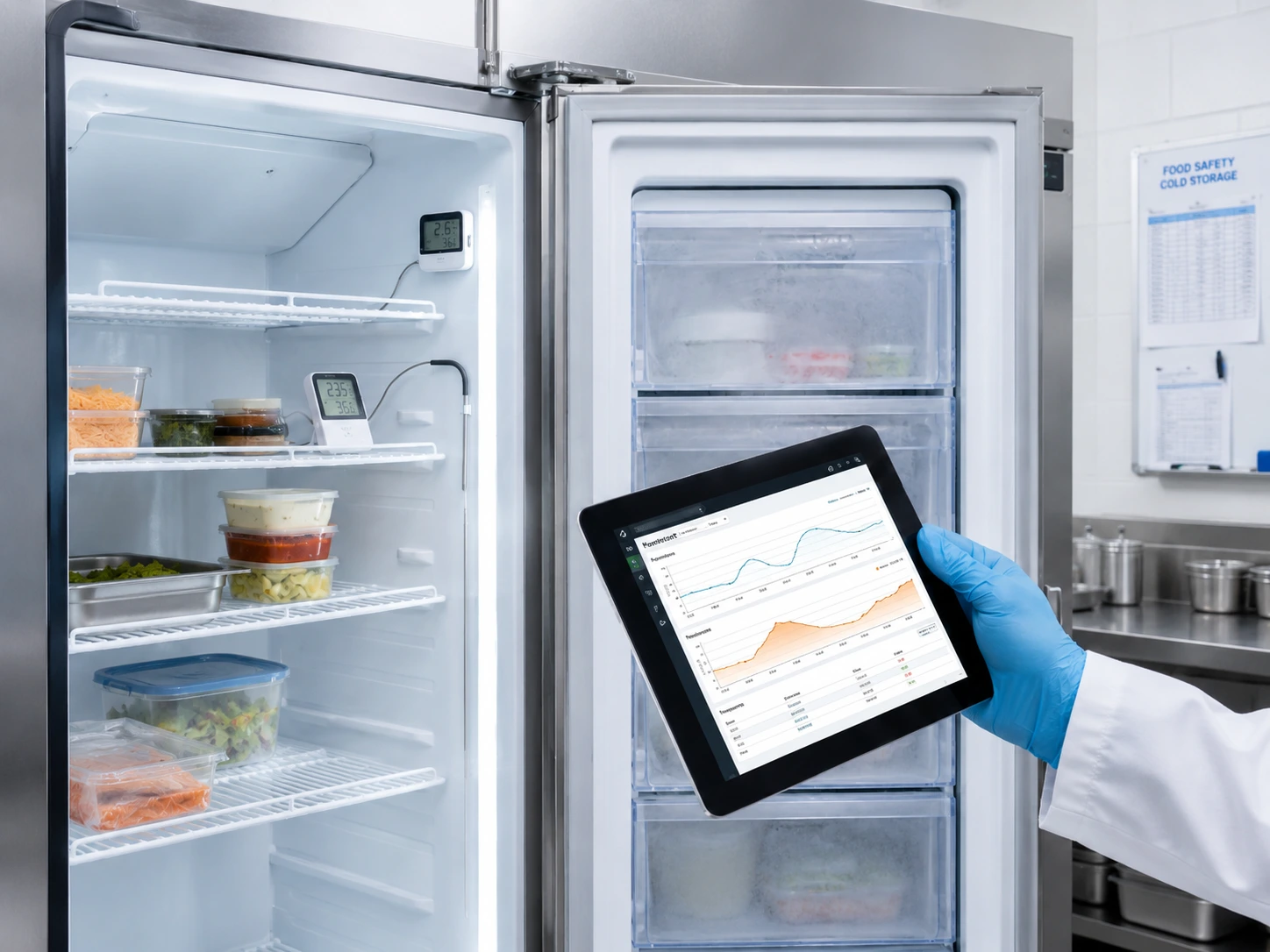
Temperature Monitoring for Foodservice and Perishable Inventory

For convenience stores with foodservice programs, temperature control is not optional. eViewIoT monitors refrigeration temperatures, records the temperature history automatically and sends real-time alerts when walk-ins, freezers, reach-ins or other refrigerated units drift out of range, so staff can act before product is lost.
Store temperatures Illustrative
Walk-in cooler37°FRange 33–40°F In range
Walk-in freezer−4°FRange −10–0°F In range
Foodservice reach-in45°FRange 33–41°F Out of range
Beverage cooler36°FRange 33–40°F In range

Foodservice reach-in is above 41°F. Alert sent so staff can act before product is lost.

TextEmailMobile appDashboard
In Focus

HVAC and Air Conditioning Control for Customer Comfort

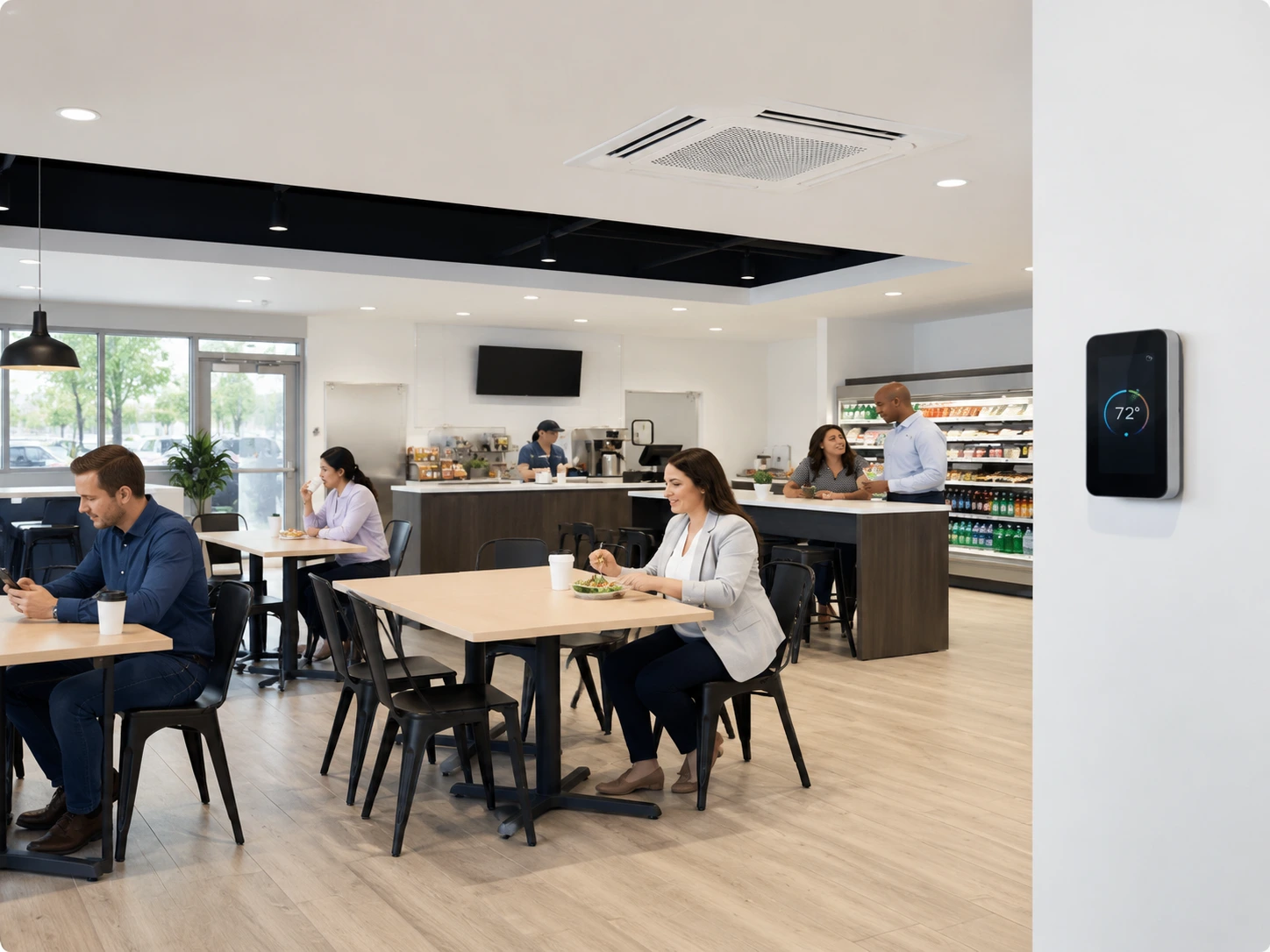
C-store HVAC systems work under constant pressure from door traffic, long hours, foodservice heat and changing outdoor conditions. eViewIoT helps operators set schedules and temperature settings, lock setpoints so they are not changed at the store, track runtime and spot abnormal performance.
Zoned, time-based setpoints deliver further efficiency. Stores stay comfortable for customers and staff without air conditioners running longer than needed.

See how commercial HVAC monitoring works across locations.
In Focus

Lighting Controls for Interior, Exterior, Signage and Canopy Areas
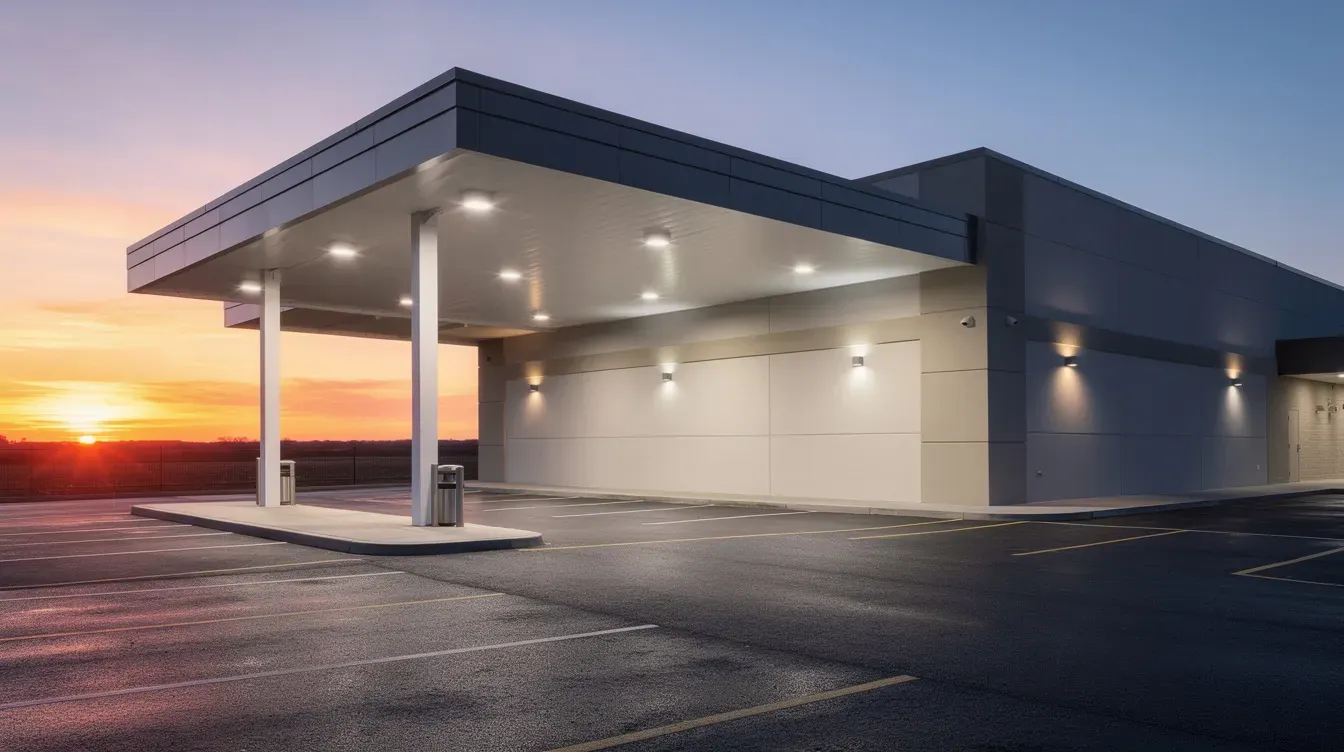
Lighting is one of the easiest places to save energy. eViewIoT automates lighting schedules for the sales floor, exterior and parking areas, signage and canopy lighting.
Astronomical schedules follow sunrise and sunset, so exterior and canopy lights are on when the site needs them and off when daylight is enough, while interior lighting follows store operating hours. The result is less waste from lights running outside the right schedule.

Early Equipment Diagnostics and Lower Maintenance Costs

Margins are everything in convenience retail. eViewIoT optimizes equipment performance and extends equipment life.
Runtime, temperature and performance trends show when equipment starts working harder than it should, so your team can schedule service before a failure becomes an emergency repair or a product loss. In-field reports confirm up to a 20% reduction in overall maintenance expenses.

Learn more about remote equipment diagnostics.
Up to
20%
reduction in overall maintenance expenses, confirmed by in-field reports

5 Energy Efficiency Strategies for Convenience Stores

These five strategies reduce energy consumption in most convenience stores. An energy management system automates the first four and gives you the data for the fifth.
1

Replace timed defrost with demand-based defrost.

Refrigeration is one of the biggest loads, so cutting unnecessary defrost cycles is a strong first step to save energy.
2

Lock HVAC setpoints and schedules.

Consistent temperature settings stop staff from overriding the air conditioning system and keep comfort predictable.
3

Schedule lighting by hours and daylight.

Interior, signage and canopy lighting should follow store hours and sunrise and sunset, not a manual switch.
4

Catch equipment problems early.

Runtime and temperature alerts show when refrigeration or HVAC starts to struggle, before it costs you product or an emergency repair.
5

Benchmark every store.

Compare energy and equipment data across locations to find outliers. ENERGY STAR also lets convenience stores benchmark energy performance, and certified buildings use 35% less energy than similar buildings nationwide.

Built for Single Stores and Multi-Location C-Store Operators

For multi-location operators, the real value is centralized visibility.
eViewIoT lets teams review alerts, compare store energy and equipment performance, and make changes remotely from a web browser or mobile app, without visiting every location. That makes it easier to see which stores need attention first, where energy waste is hiding and how to improve efficiency across operations.
Compare stores
Illustrative
Case Study

Convenience Store Case Study: 13,147 kWh Saved at One Location

A Midwest company that owns a large number of convenience stores installed eViewIoT at a test location near its headquarters. The store received adaptive controllers for walk-in coolers and freezers, wireless smart thermostats, a lighting control panel and a gateway to the eViewIoT Cloud.
Over March to September, the location’s total energy consumption fell by 13,147 kilowatt hours (5.5%) compared with the same months before installation. On the normalized basis reported in the case study, consumption fell by 37,422 kWh (13.4%).
13,147 kWh
total consumption saved, March–September (−5.5%)
−13.4%
normalized consumption (−37,422 kWh)
Location 1, March–SeptemberPre-installationPost-installationChange
Total consumption237,494 kWh224,347 kWh−13,147 kWh (−5.5%)
Normalized consumption278,964 kWh241,542 kWh−37,422 kWh (−13.4%)

What changed at the store:

Walk-ins: Demand-based defrost replaced timed defrost and temperature control was tightened.

HVAC: Automated scheduling and locked setpoints reduced consumption.
Lighting: Automated scheduling reduced consumption.
Food safety: High-temperature cooler alerts let staff correct problems before temperatures became critical.
Maintenance: Alarms warned managers of a possible cooler or freezer failure before it became a larger repair.

How It Works

1

Review

We look at your stores, equipment, locations and monitoring needs.
2

Recommend

eViewIoT recommends a setup and provides a custom quote based on the equipment and level of visibility you need.
3

Connect

Controllers, thermostats and sensors connect to the eViewIoT Cloud through a gateway.
4

Monitor and control

Your team manages schedules, setpoints and alerts from one dashboard.
eViewIoT is the result of more than a decade of helping businesses shrink their energy footprint, built for the 24/7 demands of convenience retail. It is offered as a subscription with no up-front capital, and it does not require a complicated building automation system.

Frequently asked questions

How does a convenience store energy management system reduce energy costs?

It reduces energy consumption by monitoring HVAC, refrigeration and lighting in real time, running them only when needed, replacing fixed defrost timers with demand-based defrost, locking setpoints and automating lighting schedules. It also identifies energy waste, and combined schedules can deliver 10–30% energy savings.

Yes. Real-time monitoring of walk-in coolers, freezers and reach-in units, with historical temperature data, helps protect product quality, reduce spoilage and speed up response to temperature issues.

Yes. Alerts can be sent by text, email, mobile app or dashboard when a unit moves outside the range you set, so your team can act before product loss or equipment damage.

Yes. Interior, exterior, signage and canopy lighting can follow automated schedules based on store needs, including astronomical schedules based on sunrise and sunset, reducing waste and improving control.

Yes. It tracks equipment performance, runtime, temperature trends and abnormal behavior, so issues surface earlier, before they become emergency repairs.

In HVAC, an energy management system controls heating and air conditioning schedules and setpoints, tracks runtime and flags abnormal performance, so the system keeps the store comfortable without wasting energy.

No. eViewIoT was built as a simpler, more affordable alternative to a full building automation system for convenience stores and restaurants.

Yes. One connected platform lets operators compare locations, receive alerts, respond faster and manage stores more consistently.

eViewIoT is offered as a subscription with no up-front capital. Each quote is based on a review of your stores, equipment and monitoring needs.

Ready to Take Control of Your Energy Costs?